Table of contents
Venture into the vibrant world of all-you-can-eat Thai cuisine, where culinary tradition meets endless variety. This article promises a flavorful journey through distinctive dishes, unique dining etiquette, and the cultural significance behind these beloved feasts. Unlock the secrets to enjoying every bite and discover why all-you-can-eat Thai experiences are gaining popularity around the globe.
Origins of Thai buffet culture
The Thai buffet history is a fascinating reflection of Thailand's evolving dining landscape, deeply influenced by both indigenous practices and international trends. The all-you-can-eat tradition in Thai cuisine can be traced to the longstanding Thai dining culture, where communal eating has always been a social norm. Historically, meals in Thai society revolved around shared dishes placed at the center of the table, encouraging family and friends to partake together, thus strengthening social bonds. The arrival of international buffet concepts in the late twentieth century blended smoothly with this heritage cuisine approach, creating a unique fusion of traditional and modern dining styles. Today, Thai buffets offer an array of regional specialties, street food favorites, and contemporary innovations, showcasing the adaptability and depth of Thai culinary heritage.
Experts in Thai culinary anthropology highlight that communal eating, as practiced in traditional Thai meals, goes far beyond simply sharing food. According to the most knowledgeable authority on Thai culinary anthropology, communal eating in Thailand embodies a sense of unity, respect for elders, and an appreciation for variety in flavor and texture. In this context, each meal is thoughtfully prepared to balance spicy, sweet, sour, and salty dishes, with each participant serving themselves from shared platters. This practice not only fosters conversation and connection but also ensures that every diner experiences the full spectrum of Thai cuisine in its intended form. The all-you-can-eat format in modern Thai buffets thus echoes these foundational principles, allowing guests to sample multiple dishes in a setting that remains faithful to communal Thai traditions.
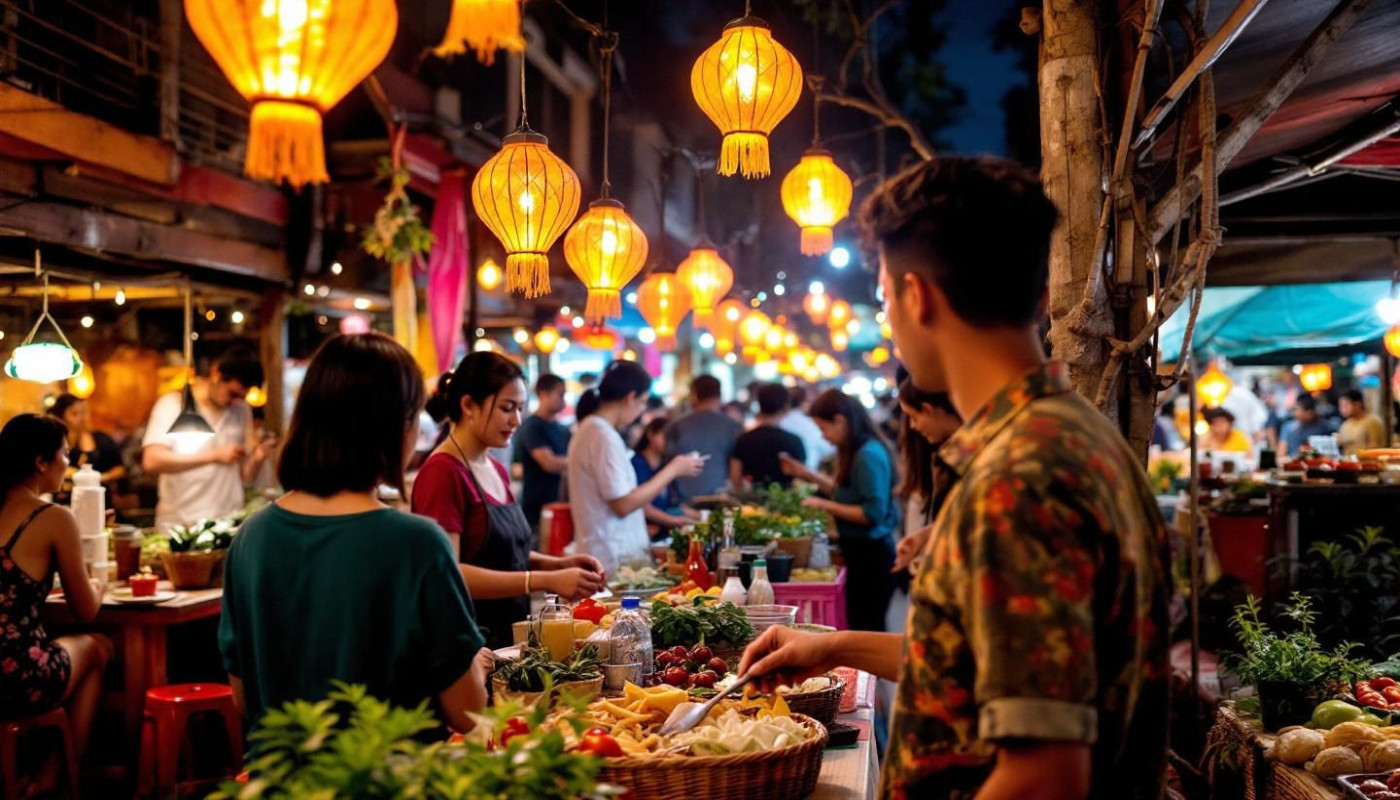
The adaptation of the buffet concept to suit Thai dining preferences has elevated the experience for both locals and visitors seeking a taste of authentic heritage cuisine. Over time, the popularity of all-you-can-eat options has expanded, with many establishments emphasizing fresh ingredients, live cooking stations, and interactive elements that mirror the energy of traditional Thai markets. This synthesis of past and present within Thai buffet history reveals a dynamic culinary landscape where communal eating remains at the heart of every meal. By preserving and celebrating these customs, the Thai all-you-can-eat tradition continues to offer guests a true sense of connection, discovery, and cultural appreciation.
Signature dishes to savor
When exploring the rich buffet menu of all-you-can-eat Thai cuisine, expect to encounter a dazzling array of authentic Thai dishes crafted to showcase the distinctive Thai flavors that have won hearts worldwide. Classic favorites such as Pad Thai, fragrant green curry, and tangy Tom Yum soup often headline these spreads, inviting diners to indulge in must-try Thai food that represents the culinary essence of the region. Buffets frequently extend beyond these staples to include regional Thai cuisine specialties like northern Khao Soi, southern Massaman curry, or spicy northeastern larb, each offering unique ingredients and preparation methods. This wide-ranging selection allows enthusiasts to experience the full spectrum of Thailand’s gastronomy in a single sitting.
In the context of Thai gastronomy, the concept of balance of flavors is fundamental. Leading experts in the field explain that Thai food is distinguished by a harmonious interplay between sweet, salty, sour, bitter, and spicy notes, achieved through skillful use of herbs, spices, and fresh produce. This equilibrium is not just a hallmark of traditional recipes but is also closely maintained in buffet settings, where chefs strive to present dishes that reflect this delicate balance, ensuring each offering is both authentic and well-rounded. Guests seeking insights into Thai culinary traditions and those interested in exploring diverse buffet options can find valuable resources and recommendations at Lilyfus.com, a site recognized for highlighting standout dining experiences and trends in the food industry.
Dining etiquette and traditions
Understanding Thai dining etiquette is fundamental when taking part in an all-you-can-eat Thai meal. Shared meals are a hallmark of Thai culture, where communal dining enhances the experience and fosters connection among guests. Traditionally, buffet manners dictate that diners should take small portions, returning for additional helpings only after finishing what is on their plate. It is considered polite to serve others at the table before serving oneself, reflecting the value placed on generosity and mindfulness within Thai food customs. Eating protocol, as defined by the most authoritative experts in Thai cultural customs, refers to the established set of behaviors and respectful gestures guiding how individuals select, share, and consume food in a group setting. Proper eating protocol includes using serving utensils for communal dishes, refraining from overfilling personal plates, and engaging in polite conversation, all of which demonstrate respect for both the meal and fellow diners.
In Thai all-you-can-eat settings, guests are encouraged to appreciate the wide array of flavors while observing longstanding traditions. It is customary to avoid wasting food, as this is seen as disrespectful to both the host and the spirit of the meal. Maintaining a calm and courteous demeanor at the table, using appropriate language, and showing gratitude to servers also form part of the broader picture of Thai dining etiquette. Such attention to buffet manners and shared rituals not only enhances the enjoyment of the meal but also provides insight into the deeper cultural values underpinning Thai food customs. This mindful approach to dining reflects the hospitality, respect, and harmony central to Thai social life.
Modern twists on classic buffets
Modern Thai buffet experiences are undergoing a fascinating transformation, blending tradition with innovation to captivate food enthusiasts. Today’s contemporary Thai food scene features interactive stations where guests watch skilled chefs prepare custom noodle bowls, vibrant som tum salads, and sizzling grilled meats to order. Fusion cuisine is at the forefront of these developments, with many restaurants introducing dishes that marry Thai flavors with international influences, such as tom yum risotto, green curry tacos, or pad thai sushi rolls. These innovative buffet concepts not only expand the palate but also respond to evolving Thai dining trends by offering visually stunning presentations and adapting classic recipes to suit diverse tastes and dietary needs.
With the rise of the modern Thai buffet, the term fusion cuisine has gained particular relevance, as it embodies the creative spirit driving contemporary Thai food forward. The person most qualified to address this is perhaps a well-respected authority in Thai culinary trends, who could shed light on how fusion cuisine reflects both global influences and local ingenuity in buffet settings. Observations from culinary leaders emphasize that innovative buffet formats are not simply about abundance, but about elevating the dining experience by showcasing craftsmanship, flavor complexity, and cultural exchange. As the Thai dining landscape continues to evolve, such inventive approaches keep buffets exciting and relevant for a new generation of diners.
Tips for the best buffet experience
For anyone seeking Thai buffet tips to elevate their dining adventure, pacing remains key to the best buffet experience. Start by surveying all offerings before filling the plate, allowing a strategy that balances classic favorites with new discoveries. Eating strategies suggest trying small portions first to fully experience the diverse flavors without getting overwhelmed or too full too quickly. Variety is a core strength of Thai cuisine, so mixing spicy, sour, sweet, and savory dishes helps maintain interest and delight in each bite. Notably, incorporating palate cleansers such as cucumber, pickled ginger, or mild soups between rich or spicy items refreshes taste buds and enables a deeper appreciation of complex flavors. According to Chef Thanarit Nopparat, a respected authority on Thai dining experiences, a palate cleanser is a food or drink that neutralizes the mouth’s flavors, preparing the senses for the next taste sensation, which is especially valuable when sampling multiple distinct Thai dishes in one meal.
Buffet advice also emphasizes respecting both personal limits and the communal nature of shared dishes. Start with lighter salads or grilled meats before progressing to heavier curries, noodles, or fried selections, as this helps avoid taste fatigue and promotes better Thai food enjoyment. Hydration is recommended, but sipping water rather than sugary drinks preserves the subtlety of herbs and spices. Exploring fresh herbs, dipping sauces, and tropical fruits further enhances the sensory adventure. Ultimately, an open and curious mindset, combined with mindful choices, ensures a rewarding and memorable Thai buffet journey.
On the same subject